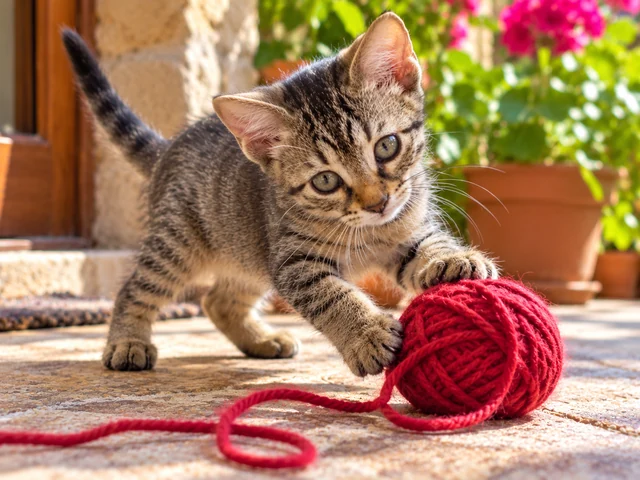

Over the years, we've fed and cared for a great many cats and ten dogs. Some, like Mikey, were with us from the cradle to the grave. Others lived with us for most of their lives. Sadly, some made only a fleeting visit.
Some arrived in a dreadful condition, but with a little care, patience and sometimes considerable veterinary expense, they went on to lead perfectly happy lives. Others weren't so lucky.
We've taken in the abandoned and neglected, the sick and injured, and those who were simply trying to fend for themselves. Some turned up at our door looking as though they hadn't had a decent meal for weeks. We found others, newly born, in a corner of the garden.
We've taken cats from people who were returning to the UK. We even received a cat in a sack from a meal delivery man on a motorbike. Dolly is still with us.
Thankfully, there are a great many people who can tell similar stories. Thank you to every single one of you.
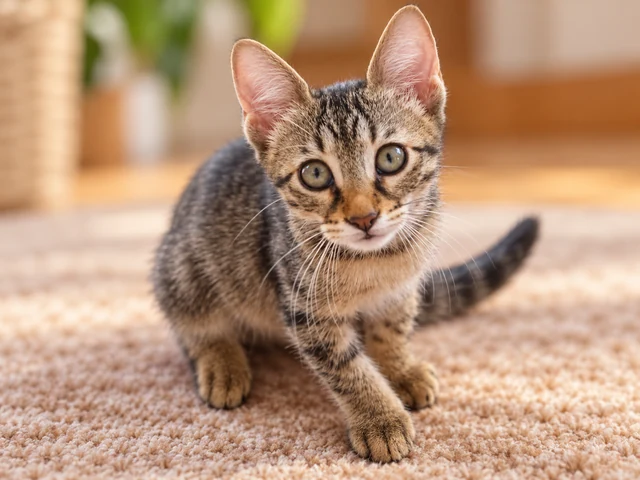
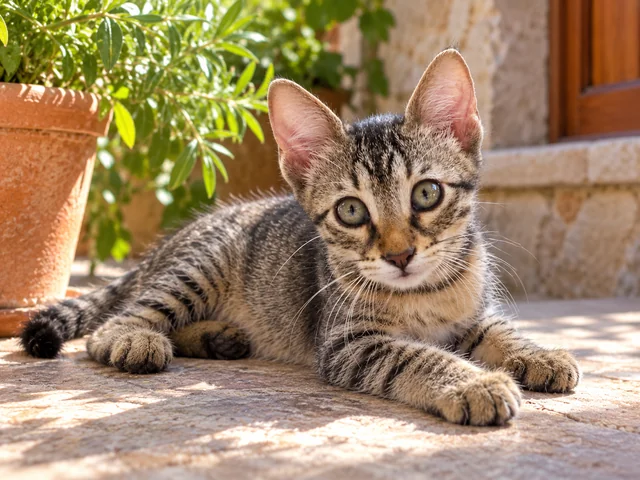
We kept saying, “Oh go on, it's only one more mouth to feed,” until we were feeding 60 cats twice a day.
Needless to say, we become attached to each and every one of them.
It's surprising how quickly some of them settle into a new life. A frightened, half-starved cat that initially runs away whenever you approach can, a few months later, become the most demanding member of the household. Suddenly, it has a favourite chair, expects its dinner at a particular time and makes its displeasure perfectly clear if you happen to be five minutes late.
Their habits become part of your own daily routine. You know where they will be at certain times of the day, what food they particularly like, where they prefer to sleep and how they behave when they want something.
I can still remember Mikey and his sister, Minnie, playing together as kittens. We took photographs of them on our bed, and we still have those pictures. Remembering those days made what we had to do so much more difficult.
Knowing When the Time Has Come
Modern veterinary medicine can achieve remarkable things. Illnesses that would once have been untreatable can sometimes be managed successfully, allowing pets to continue enjoying a good quality of life despite ongoing medical conditions.















Join the conversation
No approved comments yet. Be the first to join the conversation. Once comments are approved, member avatars and the seven reaction icons appear with each comment and reply.
Join the conversation as an ExpatExpo member.
MEMBER SIGN IN or JOIN EXPATEXPO FREE